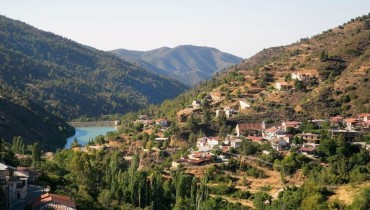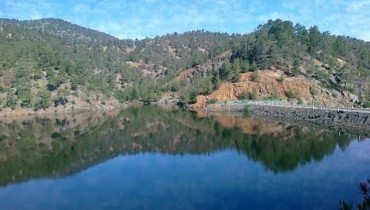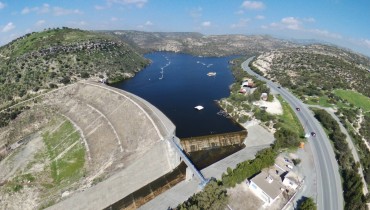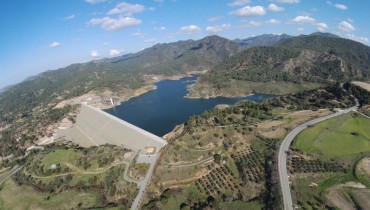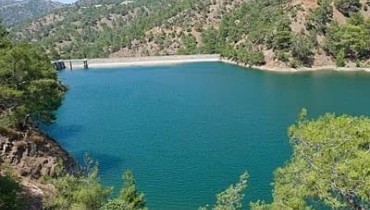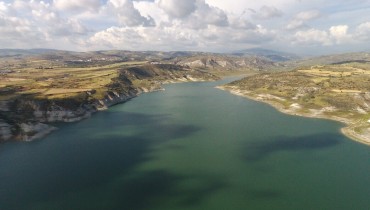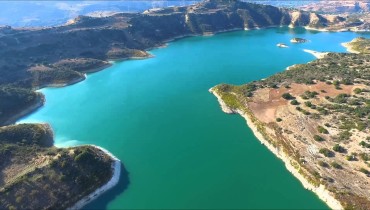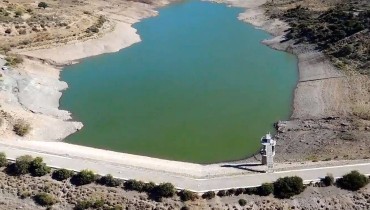
Cyprus has no river that runs all year. Every watercourse on the island is seasonal, filling after winter rain and drying to a bed of white stones by June, which is why the dams matter far more here than their size suggests. They are the island’s water supply, and in a dry winter their levels are national news. This site documents 18 dams, listed by district further down the page.
The largest
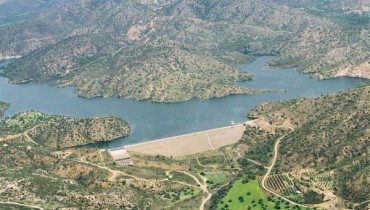
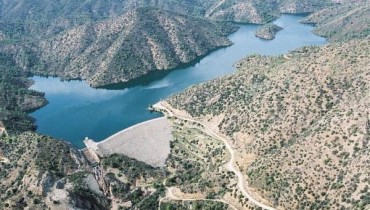
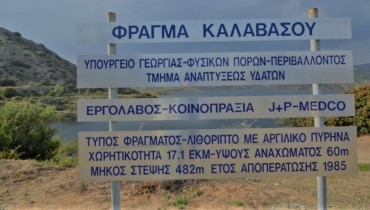
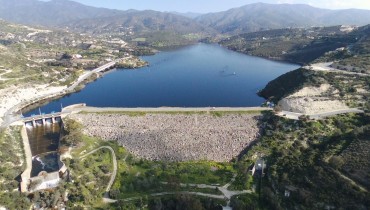
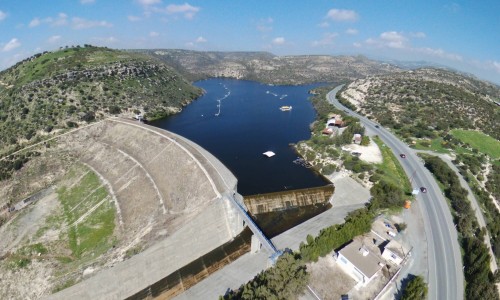
Kouris Dam, below the southern slopes of the Troodos near Ypsonas, is the largest dam in Cyprus and the one you see from the Limassol–Troodos road. Asprokremmos Dam on the Xeros river is the second largest, completed in 1982 and standing over 60 metres high. Kannaviou Dam on the Ezousa is an earthfill dam of roughly 61 metres holding about 17 million cubic metres, and Dipotamos and Kalavasos are both around 60 metres.
Where they are
Paphos district holds 8 of the 18, more than anywhere else — the west of the island catches the most rain and has the deepest valleys to put a dam in. Limassol has 4, Larnaca 3, Nicosia 2 and Famagusta 1. Most were built between the 1950s and the 1980s: Pera Pedi in 1956, Lefkara in 1962, Argaka in 1964, Polemidia in 1965, Kalopanayiotis, Mavrokolympos and Pomos in 1966, Germasogeia in 1968, then Asprokremmos in 1982 and Agridia in 1983.
Why visit one
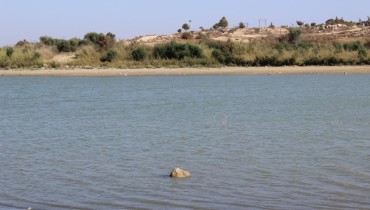
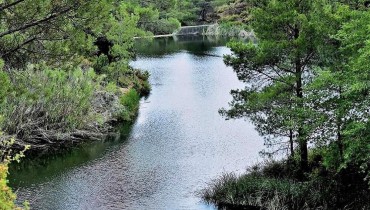
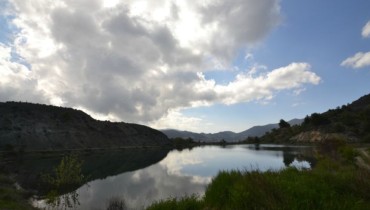
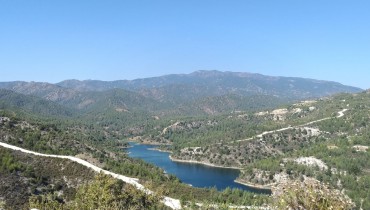
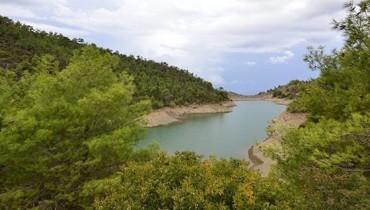
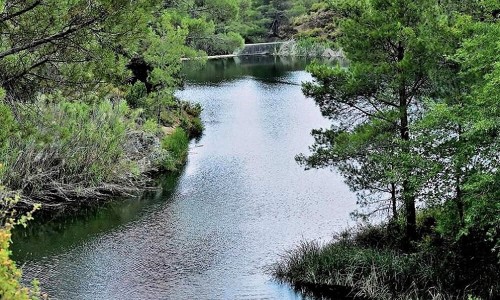
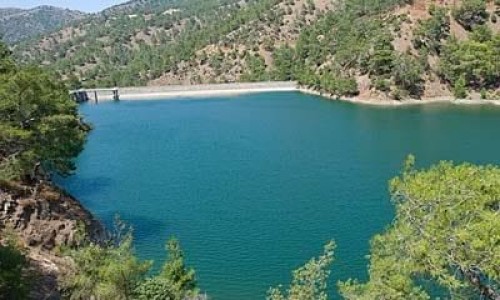
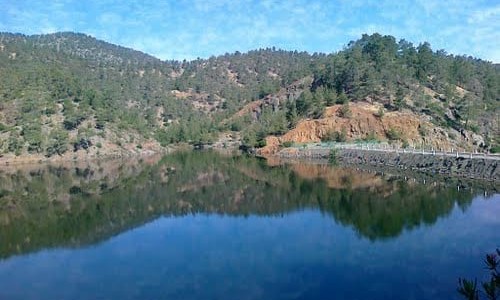
They are not obvious destinations, which is much of the appeal. A reservoir in the Cypriot hills is quiet in a way the coast never is, the light on the water in the late afternoon is worth the drive on its own, and most have a road to the crest and somewhere to leave a car. Several sit next to something else: Xyliatos and Prodromos both have a picnic site above the water, and Germasogeia is close enough to Limassol to be an easy hour out of the city.
They are also good for birds. Standing water is scarce on this island, so the reservoirs concentrate what there is — herons, cormorants, kingfishers and, on the larger ones in spring and autumn, migrants stopping on the way between Africa and Europe.
Practical notes
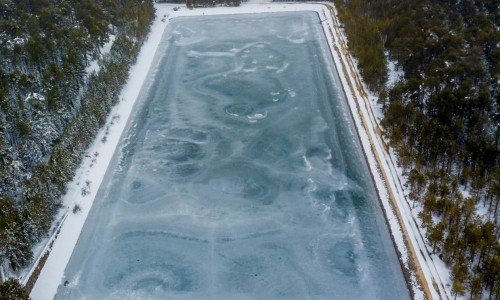
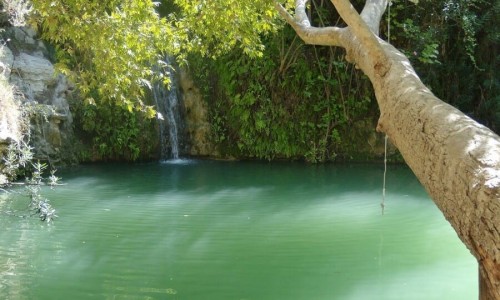
Levels swing enormously between a wet winter and a dry one, and a reservoir photographed full in March can be a cracked basin by September. Swimming is not permitted in the drinking-water reservoirs. Approach roads to the smaller dams are often unsurfaced and can be rough after rain, so a look at the individual dam page here before setting off is worth the minute it takes.
For the seasonal rivers that feed them, see Cyprus rivers.
All the dams on Cyprus Island
18 dams documented on this site. 18 of them are plotted on Cyprus in 3D.
- Famagusta
Achna Dam, Cyprus
- Larnaca
Dipotamos Dam
- Larnaca
Lefkara Dam, Cyprus
- Larnaca
Kalavasos Dam
- Limassol
Pera Pedi Dam
- Limassol
Germasogeia Dam
- Limassol
Kouris Dam, Cyprus
- Limassol
Agridia Dam, Cyprus
- Nicosia
Kalopanayiotis Dam
- Nicosia
Xyliatos Dam, Cyprus
- Paphos
Polemidia Dam
- Paphos
Kannaviou Dam
- Paphos
Pomos Dam, Cyprus
- Paphos
Asprokremmos Dam
- Paphos
Evretou Dam, Cyprus
- Paphos
Mavrokolympos Dam
- Paphos
Arminou Dam, Cyprus
- Paphos
Argaka Dam, Cyprus