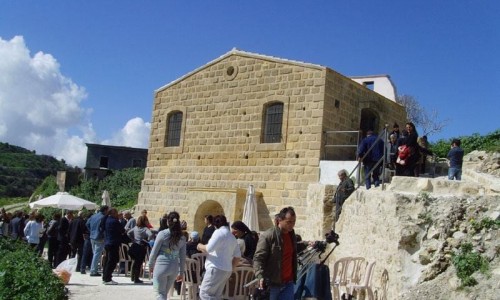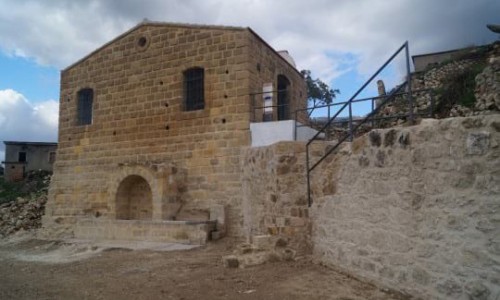


The Agios Georgios Perachoritis Chapel is situated in the village of Kakopetria in the Nicosia district. It is located north of the villages to the left of the tourist road towards Troodos, under a large bridge. The chapel received the name Perachoritis due to the fact that the neighbourhood is called Pera Gitonia or Pera Chorio.
The Agios Georgios Perachoritis Chapel was built during the 15th century in 1520 and it completely made of stone. The architectural style is of Byzantine rhythm and it is completely filled with murals in its interior. The murals however have been destroyed over time, only one or two have been maintained. One of the icons represents Agia Anastasia Farmakolytra and the other one represents Agia Paraskevi.
The small iconostasis that the chapel has is wooden, carved and golden plated. The altar also has colourful decorations. The Agios Georgios Perachoritis Chapel is a small chapel and has the ability to accommodate around 50 people. It operates on the 23rd of April, or on Easter Monday which is when the saint celebrates and the procession of his icon is taken around the village.
Near Agios Georgios Perachoritis Chapel, Kakopetria Village
Other places within a short drive, closest first.