1 min read

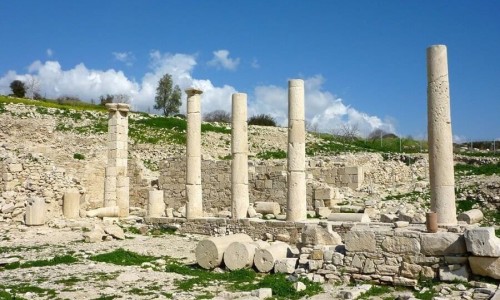
Paphos Acropolis is made up of ancient ruins and buildings of great historical value.

The Acropolis is situated near the new Paphos Lighthouse, in the Paphos Archaeological Park. It was  built in the second century and the Odeon is made of pure limestone. Today it is used to stage musical and live performances.

The ancient Odeum is semi circular in shape with 12 rows of seats. It occupied an important place in ancient Cypriot history and even today with the influx of tourists its value has not diminished. To the south of the Odean are the remains of the Roman temple of Asclepius, God of Medicine and to the north are remains of ancient town walls.

Paphos Odeon is not just a tourist attraction but it is also considered as one of the best amphitheatres for live musical and theatrical performances. Every year the Paphos Choir festival and Rhythms of Light festival injects life into the Paphos Odeon with some of the best choirs and spectacular dance performances.


Paphos Acropolis - Odeon video: 
Paphos Acropolis - Odeon location map: 

Near Paphos Acropolis - Odeon

Other places within a short drive, closest first.
Nearby Places and things to do (within 5 km radius)

Limassol

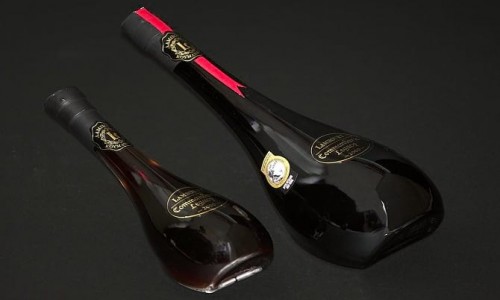
Lambouri Winery - Kato Platres

The Lambouri winery is located in the village of Kato Platres in the Limassol district. As one follows the road for the beautiful village of Omodos, one will

Limassol

Mandria Village , Limassol

Mandria is a small and traditional village in the Limassol district of Cyprus, a place that quietly reflects the beauty, simplicity, and cultural depth of rural

Limassol

Fini Village

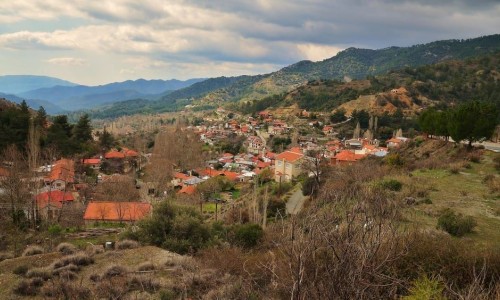
Tucked away in the verdant Troodos Mountains, Fini is a charming village that offers a blend of natural beauty, rich history, and traditional Cypriot culture.

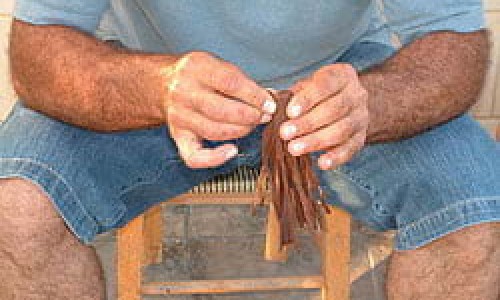
Traditional ‘Shepard Vourka’

The Fini village developed a special and large tradition in the creation of the traditional vourka, whose history is lost during the centuries.

Limassol

Pilavakio Museum, Cyprus

The Pilavakio museum was founded by Theofani Pilavaki from Fini. The museum is a construction of the 16th century and is in the centre of the village of Fini.

Pages