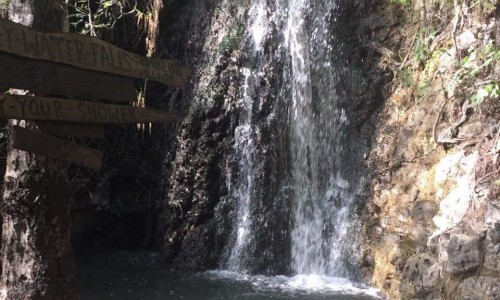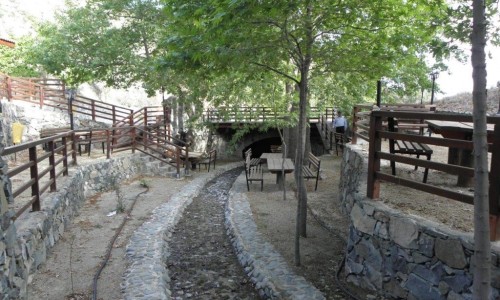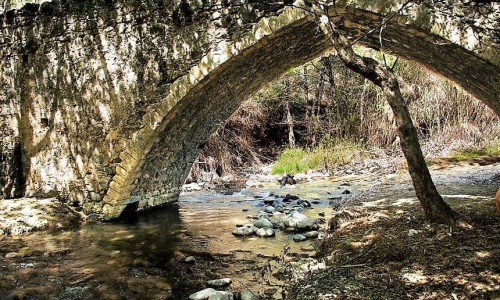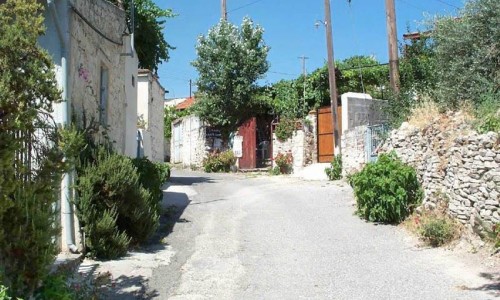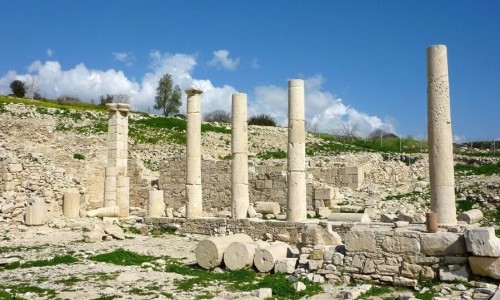


The village Maroni is located at the southern part of Cyprus. It belongs to the district of Larnaca. It has about 800 residents who deal with agriculture.it neighbours with the villages Zigi and Psematismenos. It is built on a hill about 4 kilometres from the beach.
History
The first appearances of the village by the name of Maroni begin from the Copper Era, where there was a community which this name. The excavations have shown the part of the ancient community to be about 2 kilometres from the area which it is in today. During the next periods the specific name disappears, and in its place a new community appears by the name Mario.
Today
Today the village is presenting a great stability in concern to its population, since its residents who stay in the village and deal with agriculture. Also during the last years (2003-2009) many new people began to live in the village, either permanently or for tourism while the area began to turn into a tourist holiday location.
Temple/Chapels
The main temple is located in the centre of the village and is dedicated to Saint George. It operated for the first time in 1901. The old temple, dedicated to Saint George again is located southerner and that is where the cemetery is today. Even more southerner and near the beach, is the chapel of Saint Anargirous. Recently (2009) a new chapel has been built which is dedicated to Saint Nicholas.
Near Maroni Village, Cyprus
Other places within a short drive, closest first.