

Pervolia is a charming and well-loved village in the Larnaca district of Cyprus, known for its peaceful atmosphere, traditional character, and close relationship with the sea. It is a place that brings together many of the qualities that make Cypriot villages so appealing: a strong local identity, a relaxed rhythm of life, a natural setting, and a deep connection to history and tradition. Although it is close to the city of Larnaca and not far from modern developments, Pervolia has managed to preserve much of its village spirit, giving it a special place among the coastal communities of Cyprus.
One of the first things that makes Pervolia stand out is its location. Unlike many inland villages, Pervolia enjoys the rare advantage of being both a traditional village and a coastal destination. This gives it a unique character. The village is shaped not only by its agricultural roots and community traditions, but also by the presence of the sea, which adds beauty, openness, and a sense of calm to the landscape. The nearby coastline, with its beaches and wide horizon, gives Pervolia an atmosphere that feels both restful and refreshing. This combination of village life and seaside charm is one of the reasons why Pervolia continues to attract both locals and visitors.
The name of the village itself suggests fertility and greenery, reflecting the long-standing relationship between the area and cultivation. Like many parts of rural Cyprus, Pervolia developed through agriculture, and the land around it traditionally played an important role in the daily life of its residents. Fields, orchards, and cultivated areas helped support generations of villagers, and the connection to the land formed a key part of the local identity. Even today, the agricultural background of the village remains part of its cultural memory, adding depth to its character and linking the present to the traditions of the past.
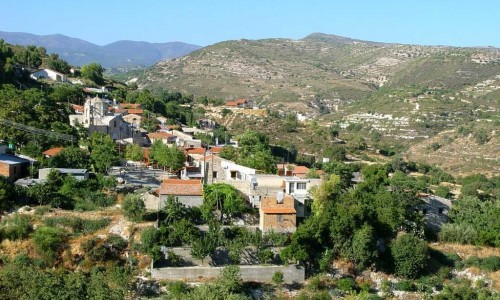
Walking through Pervolia, one can still sense the village atmosphere that defines it. Traditional houses, quiet streets, local squares, and familiar meeting points create a setting that feels warm and welcoming. The architecture and layout of the village reflect a simpler and more community-based way of life, where everyday interactions matter and the village itself feels like a shared space. While some newer homes and developments may now exist, the heart of Pervolia still carries the feel of an older Cyprus, where neighbourhood life, custom, and familiarity shaped daily existence.
This sense of familiarity is one of the village’s greatest strengths. In places like Pervolia, the social fabric is often close-knit, built on family ties, neighbourly contact, and shared traditions. Village life has historically been based on strong human connections, and this gives places like Pervolia a special warmth. People know each other, speak easily with one another, and continue to value a sense of belonging. Even for those who may have moved away, the village often remains an important part of their identity, a place they return to for family gatherings, holidays, or simply the comfort of familiar surroundings.
Pervolia’s relationship with the sea adds another layer to its identity. Coastal villages often develop a slightly different rhythm from inland communities, and in Pervolia this can be felt in the open landscape, the fresh air, and the broader connection between land and water. The nearby shoreline has long contributed to the life of the village, whether as a place for relaxation, livelihood, or simple everyday enjoyment. The sea changes the mood of a place. It brings light, space, and movement, and in Pervolia it gives the village an atmosphere that is both peaceful and quietly uplifting.
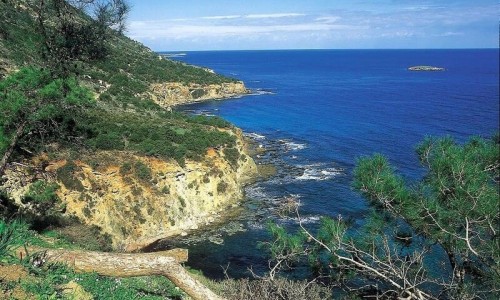
The coastline near Pervolia is one of its most attractive natural features. The beaches in the area offer a more tranquil and less crowded environment than some of the busier tourist locations in Cyprus. This makes the village especially appealing to those who value calm and authenticity over noise and heavy development. The sea near Pervolia forms part of the experience of the village itself. It is not separate from local life but woven into it, creating opportunities for walking, rest, reflection, and appreciation of the natural environment.
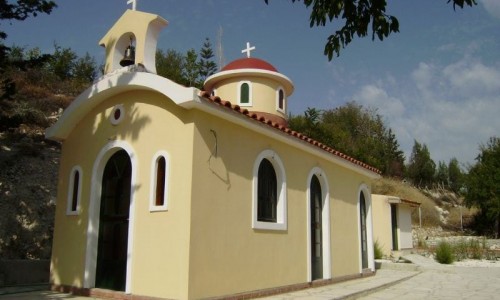
At the same time, Pervolia remains deeply rooted in the traditions of Cyprus. The local church, religious life, and village customs continue to form an important part of the community’s identity. In many Cypriot villages, religious celebrations are among the most meaningful moments in the calendar, and this is true for Pervolia as well. Feast days, church services, and seasonal celebrations bring residents together and reinforce the continuity of local tradition. These events are not only spiritual in nature but also social and cultural, helping maintain the bond between generations and keeping the village’s identity alive.
Tradition in Pervolia is not limited to religion alone. It can also be found in everyday customs, family habits, hospitality, and the shared memory of village life. Cypriot villages are often places where the past remains visible in small but meaningful ways. A traditional doorway, an old courtyard, a local custom observed during a feast, or the memory of how older generations lived can all give a village like Pervolia a strong sense of continuity. This is part of what makes such places so valuable. They preserve more than buildings; they preserve a way of seeing life.
Hospitality is naturally part of this village identity. Pervolia, like many communities in Cyprus, reflects the warmth and generosity for which village life is often known. Hospitality is not only about welcoming visitors but also about the spirit with which daily life is lived. There is often a natural openness in villages, where sharing food, offering help, and making others feel comfortable are deeply ingrained values. This human warmth is one of the most memorable aspects of visiting or spending time in a place like Pervolia.
Food and local produce also form an important part of village culture. In rural and semi-rural communities, food is closely tied to the land, the season, and family tradition. Homemade meals, local ingredients, simple recipes, and shared tables all help create the atmosphere of village life. In a place like Pervolia, food becomes part of cultural identity, expressing the values of care, family, and continuity. Traditional dishes and seasonal products are not only enjoyed for their taste but appreciated as part of a larger heritage that connects people to their community.
Pervolia also benefits from its position near Larnaca, which gives it an interesting balance between accessibility and tranquility. Being close to a city can easily lead to the loss of village identity, yet Pervolia has managed to maintain its own distinct character. This balance makes it especially attractive. It offers the peacefulness of a village setting while still being within reach of urban conveniences. For some, this makes it an ideal place to live; for others, it makes it a pleasant place to visit and enjoy without feeling isolated. It is this blend of calmness and connection that gives Pervolia much of its appeal.
Another important aspect of the village is its ability to adapt while still preserving its roots. Many villages in Cyprus have had to respond to social and economic changes over time. Migration, development, tourism, and shifting lifestyles have all affected village life in one way or another. Yet villages that remain meaningful are often those that adapt without losing themselves completely. Pervolia appears to be one of these places. It continues to develop and welcome change, but still retains the atmosphere and values that make it recognisably a village rather than simply an extension of urban growth.
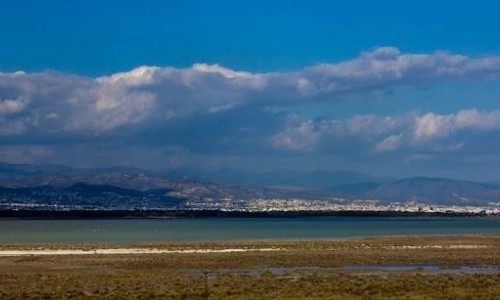
The natural environment around Pervolia contributes strongly to its beauty. The open skies, the coastal light, the nearby sea, and the flat or gently shaped landscape of the area all create a setting that feels spacious and calm. The village changes with the time of day and the seasons. In the early morning, the light over the sea and land can feel soft and refreshing. In summer, the area reflects the brightness and energy of the Mediterranean. In winter, the quieter mood of the coast gives the village a different beauty, more subdued but still deeply appealing. This seasonal and atmospheric richness adds to the experience of the place.
For many people, villages like Pervolia represent a healthier and more grounded way of living. The slower pace, the connection to nature, and the emphasis on community offer a contrast to the pressures of modern urban life. In such places, daily life can feel more human in scale. There is more room for routine, conversation, reflection, and appreciation of simple pleasures. This does not mean that village life is without challenges, but it does mean that places like Pervolia continue to hold an important emotional and cultural value in the modern world.
Pervolia also has the kind of charm that appeals to both memory and experience. For those who grew up there or have family ties to the village, it may carry personal associations that make it deeply meaningful. It may be connected with childhood summers, family homes, religious celebrations, and stories passed down through generations. For visitors, on the other hand, it offers the chance to experience a quieter and more authentic side of coastal Cyprus. In both cases, the village leaves an impression not because it is loud or dramatic, but because it feels real, grounded, and welcoming.
There is something especially valuable about villages that combine a strong local identity with natural beauty, and Pervolia does exactly that. It is not just a place to pass through, but a place to notice and appreciate. Its charm lies in its balance: between land and sea, between tradition and everyday life, between quietness and connection. It invites people to slow down and observe the details that give a place its character. A village like Pervolia may not seek attention in a grand way, yet it often becomes memorable precisely because of its sincerity and calm.
In a broader sense, Pervolia is part of the rich mosaic of Cypriot village life. Every village on the island contributes something different to the cultural identity of Cyprus, and coastal villages like Pervolia bring their own special qualities. They show how village life can be shaped by geography, tradition, and history in distinct ways. Pervolia’s identity has grown through its relationship with the land, its nearness to the sea, and the continuity of its community. This gives it a character that is both local and representative of something larger: the enduring value of village culture in Cyprus.
In conclusion, Pervolia village in Larnaca is a place of quiet beauty, tradition, and lasting appeal. With its coastal setting, village atmosphere, agricultural roots, and strong sense of community, it offers a rich and balanced picture of life in Cyprus beyond the city. It is a village where the sea and the land meet, where the past remains present in everyday life, and where simplicity becomes one of its greatest strengths. Pervolia is not only a lovely place to see but also a place to feel — a village that speaks through its calmness, its warmth, and its deep connection to the Cypriot way of life.
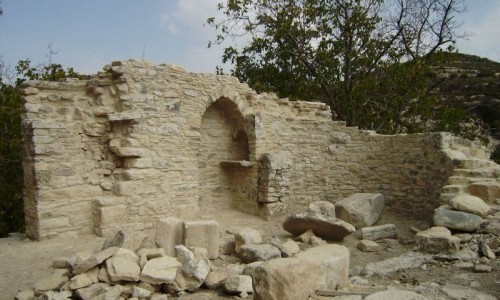
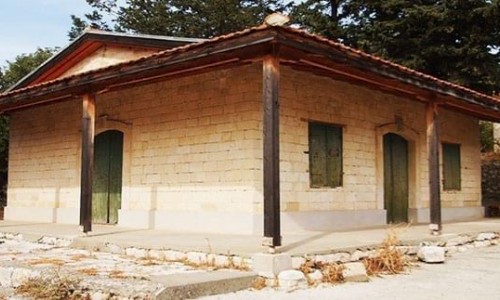
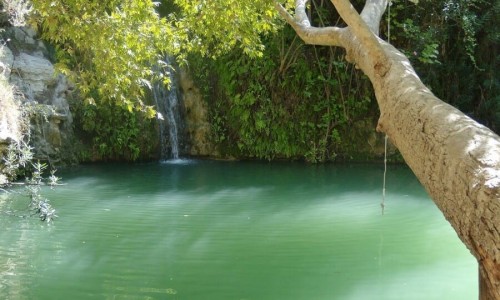
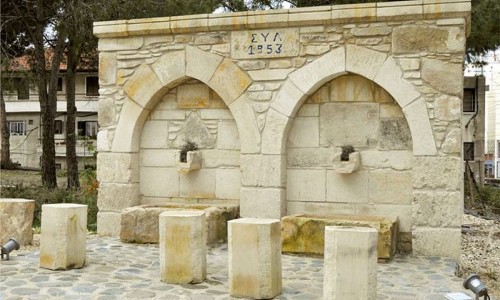
Near Pervolia Village
Other places within a short drive, closest first.